
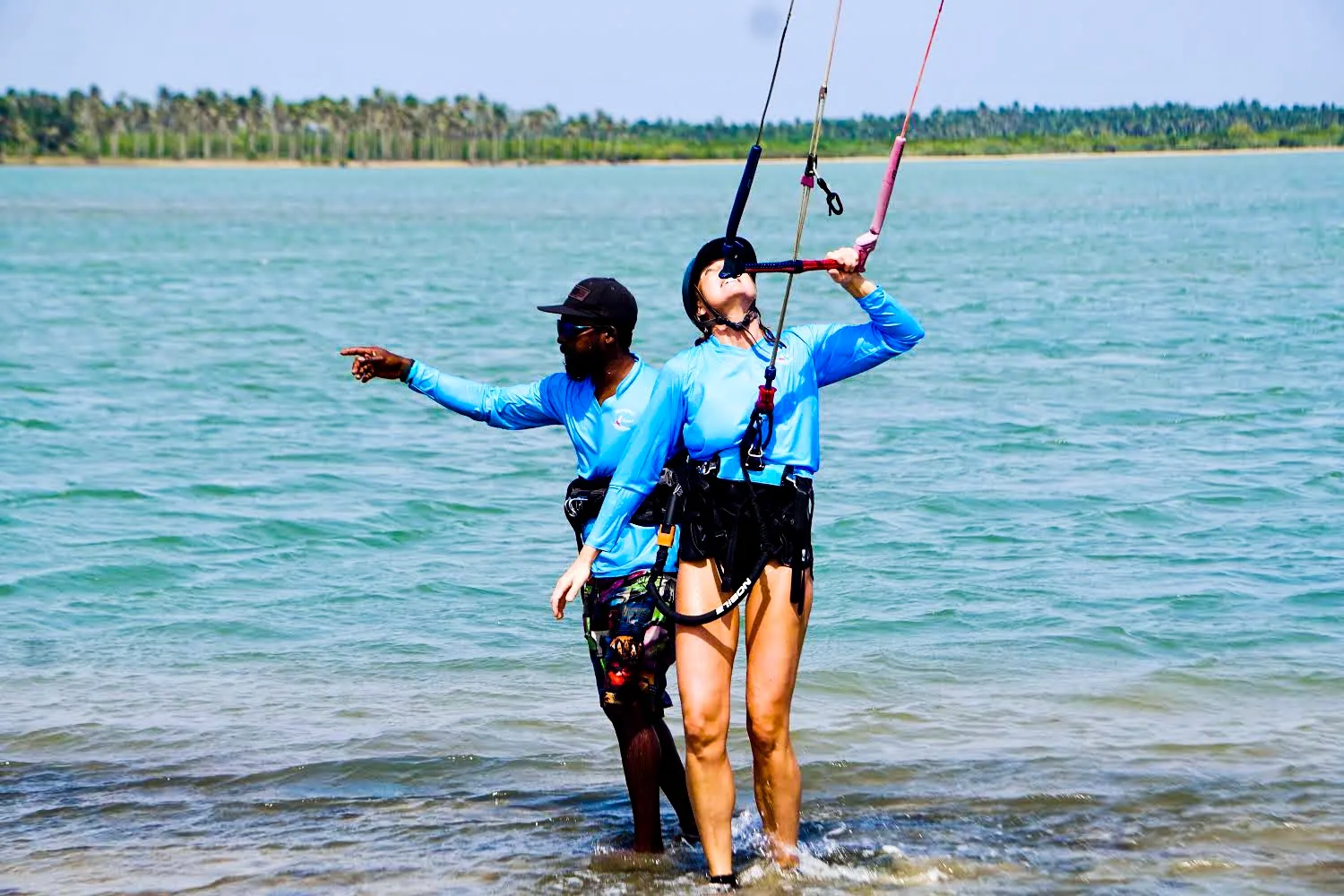
Kitesurfing conditions on Kalpitiya Lagoon, Sri Lanka

Best Time to Kitesurf in Sri Lanka

Two seasons cover most of the year. Here is the honest month-by-month picture for Kalpitiya — including the months to avoid.

The short answer

Two seasons, different personalities

We will not promise wind on any specific day — nobody honestly can. But Kalpitiya's two monsoon-driven seasons are among the most reliable patterns in Asia.

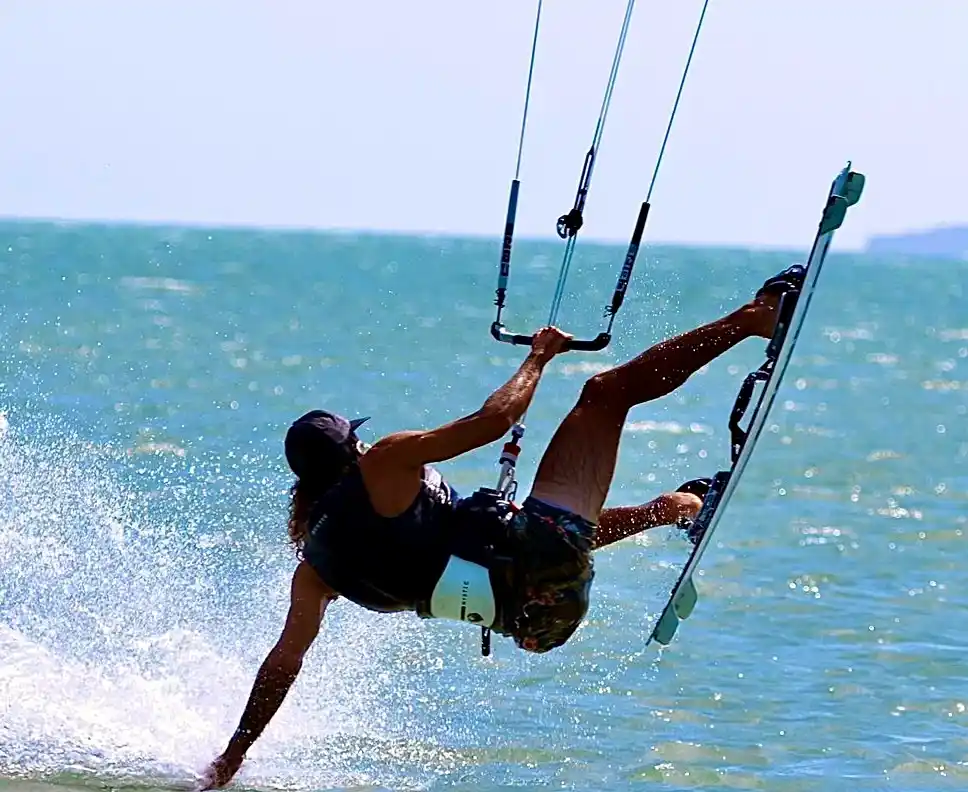
Summer season action on the lagoon

Summer · roughly May–October

Strong, consistent south-west wind almost daily — often blowing all afternoon. Suits everyone from first-timers to advanced riders, and it is when the Vella Island trips and downwinders run most often. The trade-off: it is the busier season, so book lessons a few weeks ahead.
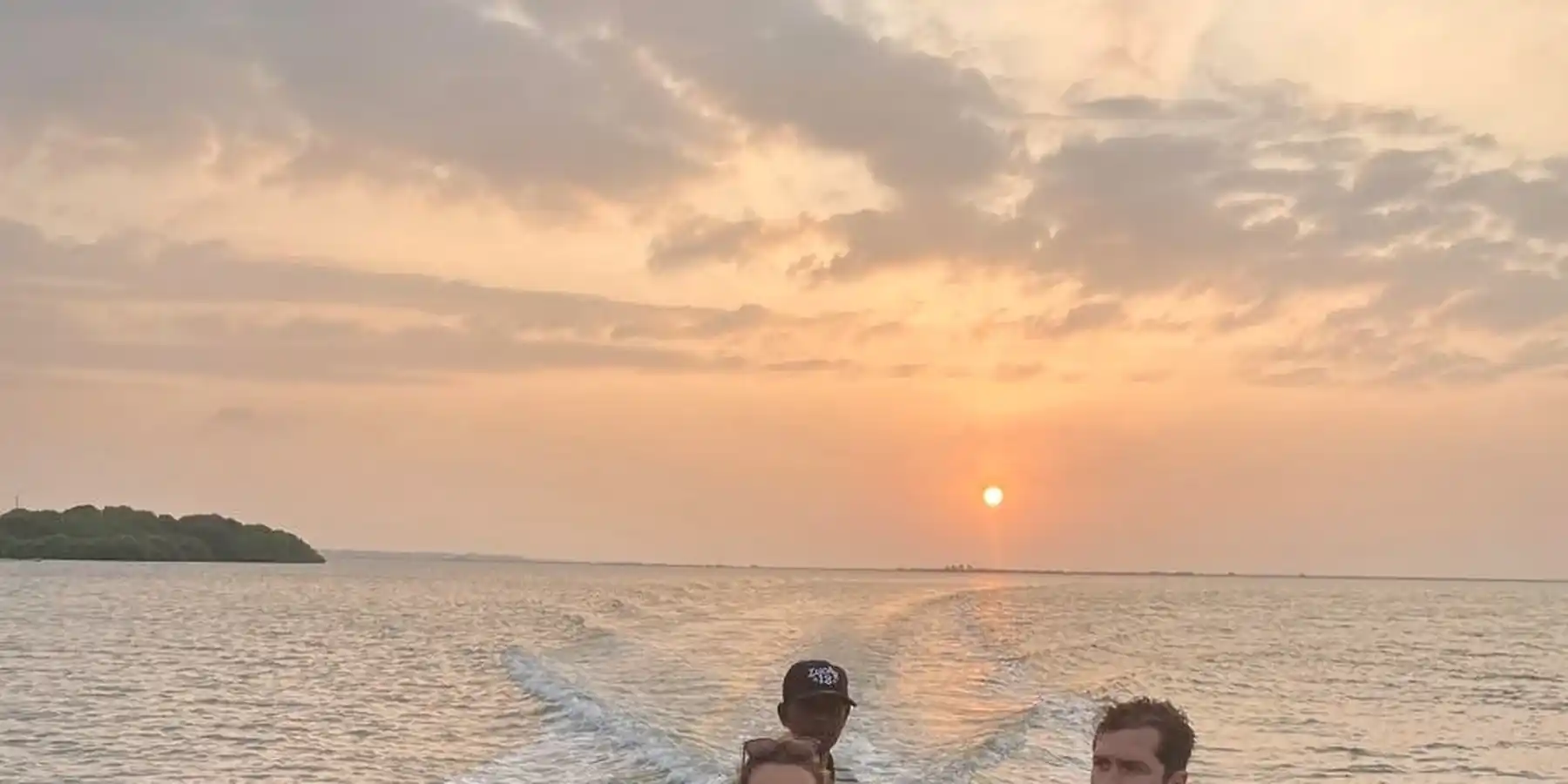
Calm winter evening on Kalpitiya Lagoon, guests on a sunset boat ride

Winter · roughly December–March

Lighter north-east wind and noticeably quieter water. A relaxed time to learn — fewer riders on the lagoon, gentler conditions, and pleasant weather for partners and families. Advanced riders on small kites still get good sessions, but summer is the power season.

Month by month

The full-year picture

MonthSeasonTypical windOur honest verdict
JanuaryWinterLight–moderate NEGood for beginners; calm water
FebruaryWinterLight–moderate NEGood for beginners; quiet lagoon
MarchWinter (ending)TaperingWorkable early month; wind fades
AprilBetween seasonsUnreliableNot recommended for a kite trip
MaySummer (starting)Building SWSeason starts; wind strengthens
JuneSummerStrong, consistent SWPrime — all levels
JulySummerStrong, consistent SWPrime — all levels, busiest
AugustSummerStrong, consistent SWPrime — all levels
SeptemberSummerStrong SWPrime; slightly quieter
OctoberSummer (ending)TaperingWorkable early month; wind fades
NovemberBetween seasonsUnreliableNot recommended for a kite trip
DecemberWinter (starting)Building NESeason starts; relaxed conditions

Water is warm year-round (27–30 °C) — no wetsuit in any month. April and November sit between the monsoons, and we would rather tell you that than sell you a windless week.

If you're learning

Best months for beginners

June to September gives the most reliable teaching wind — you will rarely lose a lesson day. January and February are a calmer alternative: lighter wind, quieter lagoon, and a more relaxed pace that many first-timers prefer.

See lesson options

If you already ride

Best months for riders

June to August is the power window: strong wind daily, all the island trips running, and the downwinder route at its best. Shoulder weeks in May, September and early October trade a little consistency for fewer people at the spots.

See rental options
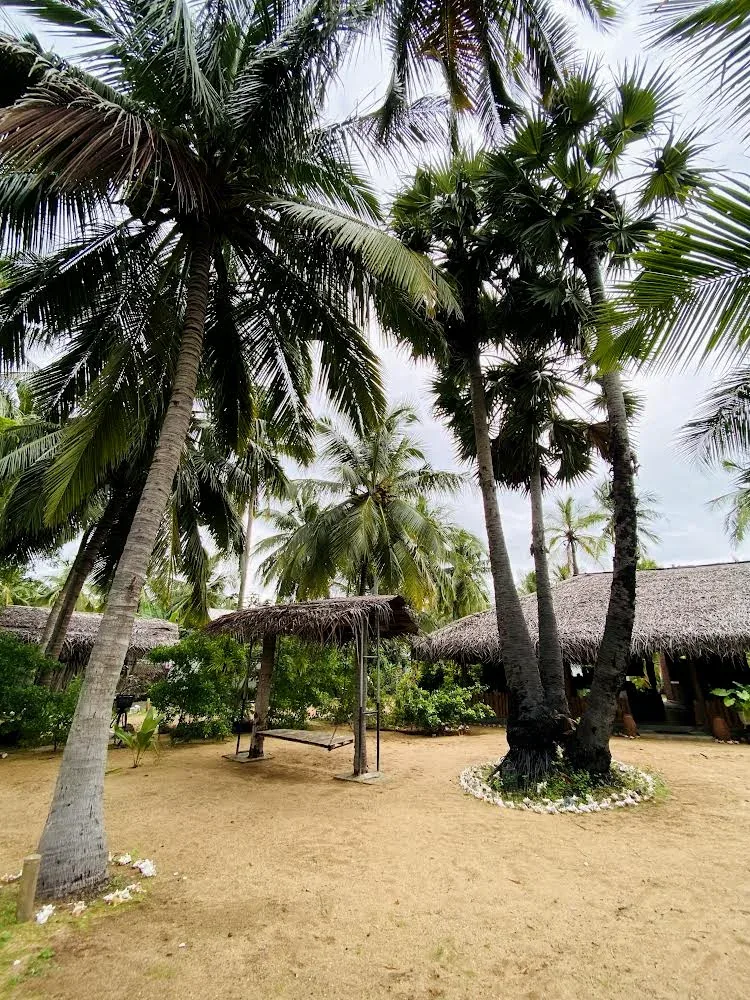
Resort gardens on a rest day at Valampuri

The honest bit

What happens on a low-wind day?

Even in prime season, some days underdeliver. If wind is unsafe or unusable, we do not teach — your lesson hours are rescheduled within your stay where possible. Rest days here are not wasted: lagoon boat rides, kayaking, dolphin watching in season, the pool, and food worth slowing down for. That is the advantage of learning from a resort base instead of a beach counter.

Tell us your dates

We will tell you honestly what the wind will most likely be doing — and whether we would book that week ourselves.

Check your dates
Check availability